The German aerospace agency DLR’s MAPHEUS-17 suborbital research mission is slated to launch from Sweden’s Esrange Space Center as early as 1 October. In a 16 September update, the agency confirmed that several key preflight tests had been completed and that final preparations for the mission were now underway.
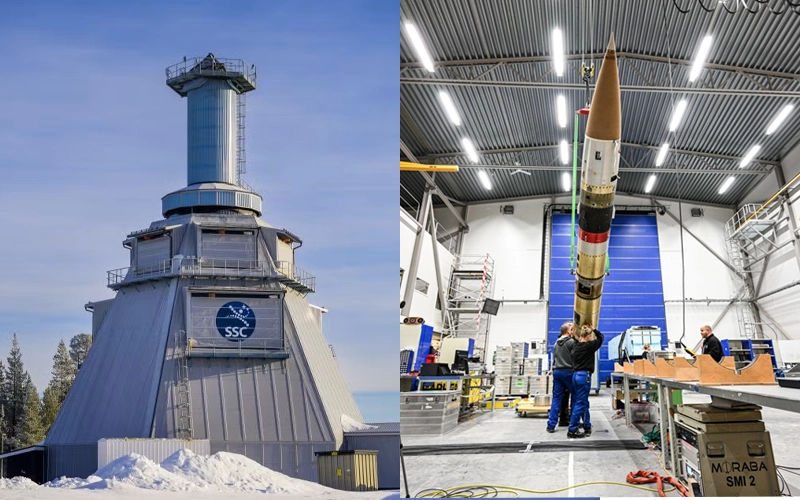
According to SSC Space, the MAPHEUS-17 mission, which will be managed by DLR’s Mobile Rocket Base (MORABA) team, is expected to launch from Esrange in Sweden between 1 and 8 October. Introduced in 2009, MAPHEUS is DLR’s in-house sounding rocket programme that provides regular access to several minutes of microgravity for materials science, life science and technology demonstration experiments.
The launch vehicle for the MAPHEUS-17 mission is expected to consist of a Red Kite first stage, a solid-fuel rocket booster developed by German defence company Bayern-Chemie under a DLR contract, and an Improved Malemute second stage. The Improved Malemute rocket motors are repurposed military surplus produced by Bayern-Chemie for Patriot missiles.
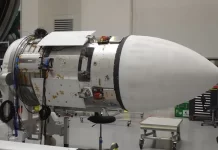
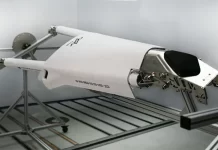
In its 16 September update, the DLR Institute for Frontier Materials on Earth and in Space announced that the MAPHEUS-17 payload had completed a series of preflight tests. Teams first conducted a system bench test at DLR’s Space Operations and Astronaut Training facility to verify the mechanical and electrical interfaces of the mission’s fully integrated payload module.
The fully integrated payload then completed a simulated countdown and flight sequence, followed by environmental testing that simulated the stresses expected during the launch and flight phases of the mission.
Few details about the mission are currently publicly available, including the mission’s payload manifest. MAPHEUS-15, which used the same Red Kite/Improved Malemute configuration, carried approximately 380 kilograms of payload to an altitude of more than 300 kilometres, providing up to 7 minutes of microgravity.