Poland’s state-run National Institute of Telecommunications has noted a sharp increase in deliberate satellite navigation signal interference around Gdańsk, on the country’s northern coast. The institute reports that significant disruption occurred on almost two-thirds of days during the first half of August.
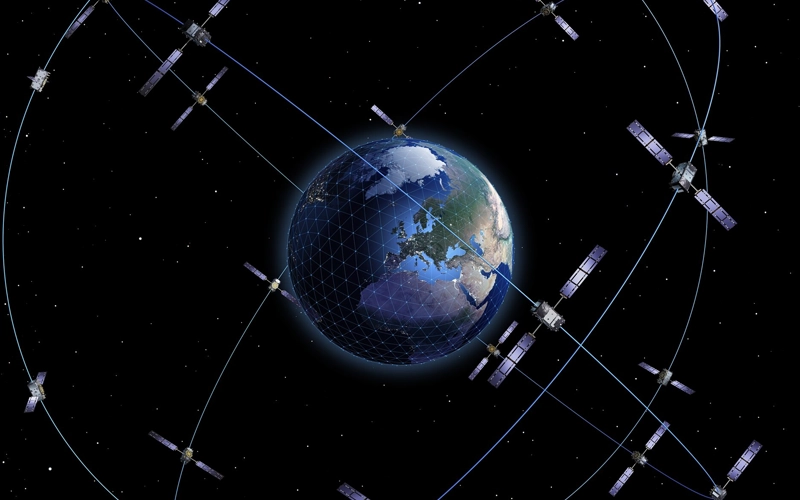
In its analysis published on 26 August, the institute explained that data collected by its monitoring station in Gdańsk showed a “drastic increase in the scale of intentional interference” since the beginning of 2026. The severity of the interference ranges from partial disruption affecting a single frequency band to multi-hour interference across all Global Navigation Satellite System (GNSS) bands.
During the first 19 days of August, the institute recorded significant interference across all GNSS frequency bands on 63% of days. According to the institute, satellite navigation used by smartphones and other civilian receivers in the region was disrupted during this period. It added that the interference could also affect shared transport systems, including city bikes and scooters, some municipal fleet systems, and drones used for recreational or commercial purposes.
The August figures follow high levels of interference recorded in May and June, when significant, multi-hour disruptions across all GNSS bands occurred on 70% of days in each month. Only 10% of days in May and 13% in June were completely free of interference.
While the institute said that the interference was deliberate and associated with electronic warfare, it did not identify the source of the interference in its latest analysis. However, Polish authorities have previously attributed a significant proportion of GNSS disruption in the Baltic region to Russia.
In July 2025, Poland’s Civil Aviation Authority said evidence submitted to the International Civil Aviation Organization showed that interference affecting the Baltic Sea and northern and eastern Europe originated from Russian territory. The ICAO Council subsequently called on Russia to stop interfering with GNSS signals, a call the country appears not to have heeded.