The European Space Agency (ESA) has published a call for the design of a fully reusable, responsive launch system that employs spaceplanes. The call is restricted to non-prime contractors, limiting eligibility to small- and medium-sized enterprises (SMEs).
ESA published the call on 27 February, noting that while current reusable launch systems are primarily based on classic launcher architectures that make use of liquid rocket engines, lift-generating spaceplanes could offer a more efficient, reliable, and responsive solution to reusability.
The call invites proposals for a fully reusable spaceplane system, with the agency targeting at least two distinct design concepts. In addition to examining spaceplane concepts that could replace traditional launch systems, the call also encourages proposals that include novel propulsion techniques, identifying detonation and air-breathing-based propulsion systems as potential avenues of exploration.
Apart from ESA’s Space Rider programme, the most prominent European spaceplane project is likely the Dassault Aviation VORTEX project. However, since neither Dassault Aviation nor the companies involved in Space Rider are SMEs, neither will likely be eligible. There is also the Space Rider-derived REV1 being developed by Space Cargo Unlimited and Thales Alenia Space, but the concept is not fully reusable in its current form.
POLARIS Spaceplanes in Germany, AndroMach in France and FAST Aerospace in Italy are three companies that could be well positioned to respond to the call.
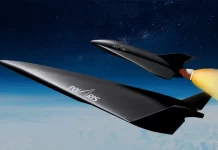
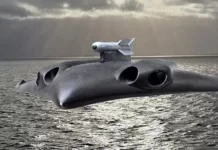
Founded in 2019, POLARIS Spaceplanes is developing multiple vehicles for defence and commercial hypersonic testing and space transportation applications. The company’s vehicles use jet engines for the takeoff and landing phases of flight and aerospike rocket engines to accelerate into space, which may address the novel propulsion systems element of the call.
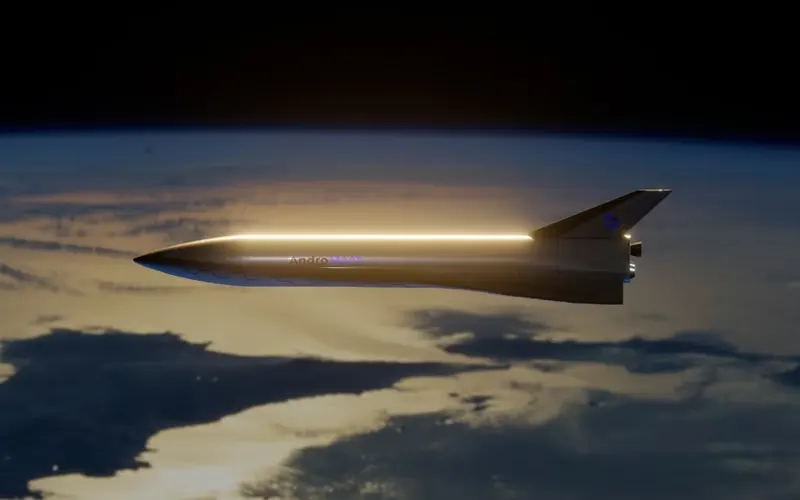
AndroMach was founded in 2023 and is currently developing its small ENVOL spaceplane, which is designed to perform a rocket-powered takeoff and ascent to a maximum altitude of 200 kilometres, followed by a controlled glide phase for recovery. While its larger ÉTOILE vehicle is designed for orbital flights, it will be launched atop a rocket, which would not be in line with the call’s requirement that the system be fully reusable. The company could, however, propose a new variant to fulfil the requirements of the ESA call, backed by the development already underway.
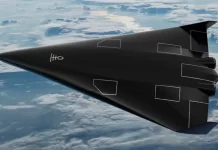
The most recent entrant is FAST Aerospace, an Italian company founded in 2024. The company is developing its HyperDart launch system, which it says will be capable of delivering payloads of up to 250 kilograms to low Earth orbit.
A fourth contender may be Dawn Aerospace. While the company is headquartered in New Zealand, where it developed its small Aurora spaceplane, it also has a European subsidiary based in the Netherlands, which, until this point, has been focused on propulsion solutions.
Keep European Spaceflight Independent
Your donation will help European Spaceflight to continue digging into the stories others miss. Every euro keeps our reporting alive.